 TenorOps
Food Safety
New Brunswick Inspection Readiness Check for Restaurants
A free 11-question check for New Brunswick restaurants. Get a 0–100 readiness score, your top gaps, and a fix plan built around the Food Premises Regulation.
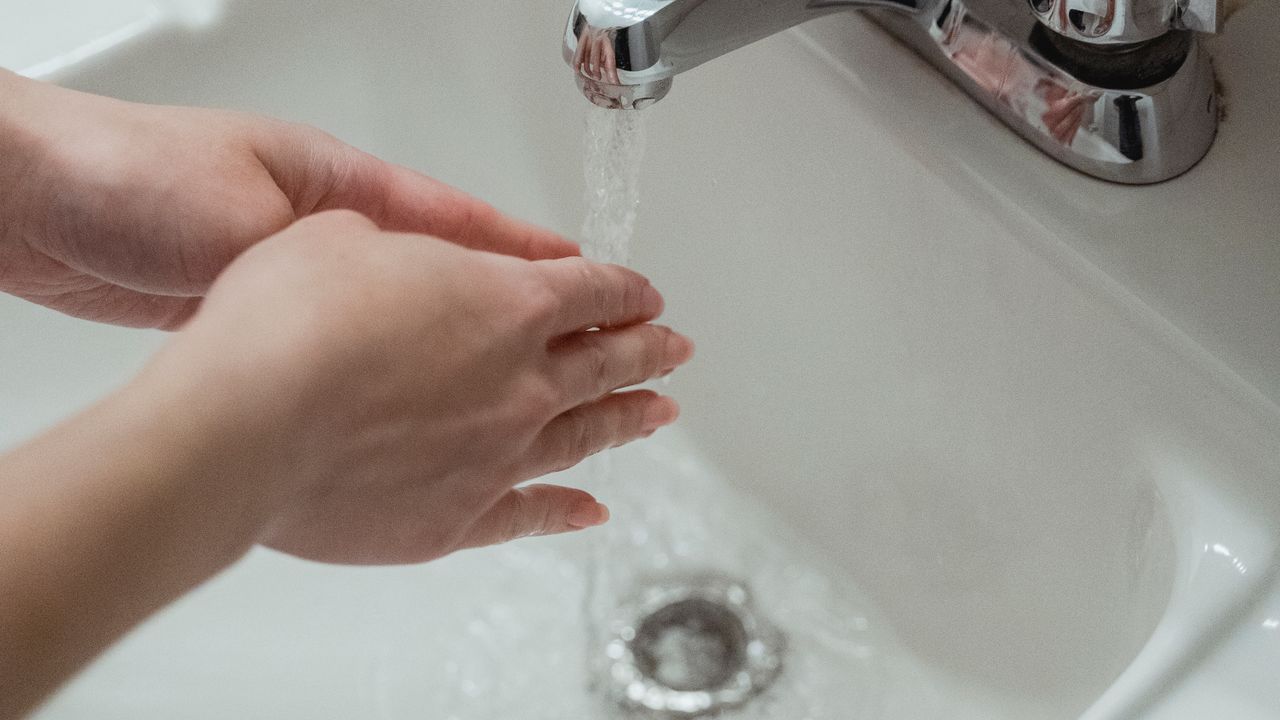
Your inspection result hangs on the wall
Most provinces publish inspection results somewhere online. New Brunswick goes a step further. Section 40 of the Food Premises Regulation says the licensee must display the latest inspection report so customers can easily see it. The same report, with its colour rating, is posted on the province's website in the language the inspection was done in.
So the colour on your last report is something regulars, new customers and anyone checking before a booking can see. We built the New Brunswick inspection readiness check for owners and kitchen managers who would rather find their gaps themselves, a week or a month before an inspector does.
How inspections work here
Food premises licensed under the Public Health Act get routine inspections from public health and agri-food inspectors. The province says to expect one to three routine inspections a year, with no advance notice. How many you get depends on what you serve and process, how you handle it, how well your staff are trained, your compliance history, and how the place is maintained and managed.
When an inspector finds violations, a follow-up visit usually comes next to confirm they've been fixed. If a violation poses an immediate risk to public health, the licence can be revoked.
Each report carries one of five colours:
| Colour | What it means |
|---|---|
| Green | A high standard of compliance, with no more than five minor violations |
| Light yellow | General compliance, with six to nine minor violations |
| Dark yellow | General compliance, with no more than three major violations |
| Striped red | Corrections required: one or more critical violations, four or more major ones, or ten or more minor ones |
| Red | The licence has been revoked for non-compliance |
Ten minor violations are enough to turn a report striped red, even with nothing major or critical on it. Small things left to pile up between visits matter here.
How ready is your kitchen? Score it against New Brunswick's rules in about three minutes. Take the free check →
The training rule is about the prep area
Section 39 sets the training rule for Class 4 premises, the class that covers food prepared for sale and eaten on or off the premises. That's most restaurants, cafés and take-outs. It has two parts.
- The manager of the premises must hold a certificate from a food handling program. That can be a program offered by a community college or industry association, or one the Minister has found equivalent to the national guidelines for food safety training.
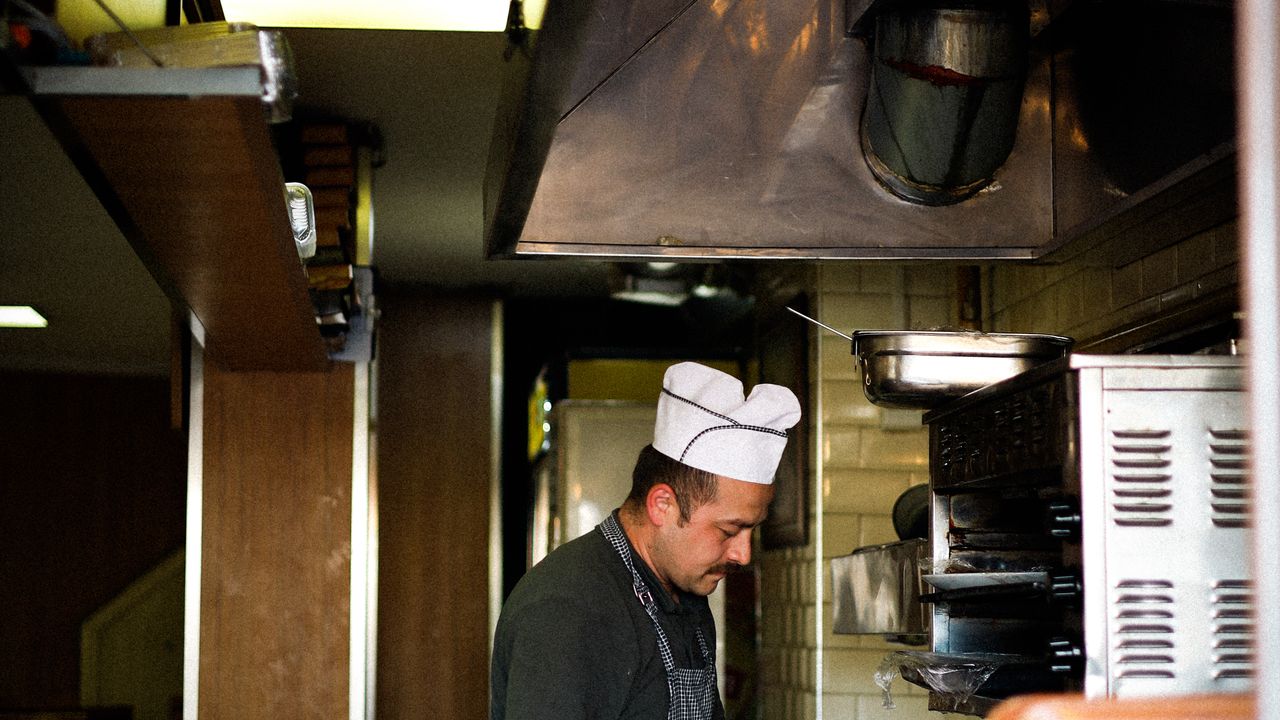
- At least one person holding such a certificate must be present at all times in the area where food is being prepared.
The second part is the one that catches kitchens out. It doesn't say "on the premises" or "on the schedule". It says in the area where food is being prepared. A certified manager doing paperwork in the office or working the front counter isn't in the prep area with the cook who came in alone at 6 a.m. The early prep shift, the late close and the Sunday short-staffed shift are where the gaps usually turn up.
Our Canadian food handler certification guide compares how this rule works across the provinces, if you have staff who trained somewhere else.
What the check asks
The check has eleven questions. Nine of them are the basics inspectors look at everywhere in Canada:
- daily temperature records for fridges, freezers and hot holding
- how you cool large batches of cooked food
- whether handwashing sinks are stocked and kept clear
- how staff report illness and whether sick staff stay off food
- sanitizer and dishwasher testing
- a written cleaning schedule that people sign off
- covered, labelled and correctly ordered storage
- allergen information staff can rely on
- pest checks and pest control records
The other two are New Brunswick's own. The first asks whether your manager is certified and whether a certified person is in the kitchen whenever food is being prepared. The second asks whether your licence and your latest inspection report are on display, since sections 16 and 40 require both to be where customers can easily see them.
Each question has three answers, roughly "yes", "partly" and "no". Answer for what happens on an ordinary busy week, not for your best day.
What you get back
You get a score from 0 to 100 as soon as you answer the last question, along with your biggest gaps. The gaps are ordered by how much they cost you. A health hazard, such as no temperature records, weighs more than a missing notice.
If you enter your email, we send the full report. It covers every gap your answers showed, with a step-by-step plan for fixing each one and links to printable checklists that match. You can also open the same checklists in a free TenorOps account.
The score is a self-check. It doesn't predict your colour, and it doesn't stand in for the inspector's report. It shows where you're exposed, so you can spend the next few weeks on the things most likely to matter.
Getting the most out of it
Do the check with the person who actually runs the kitchen day to day. Owners tend to answer for how things are supposed to work. Kitchen leads answer for how they do work. If your answers differ, that's useful in itself.
Then fix the top two or three gaps and take the check again. For a fuller walk-through of the regulation, including temperatures and sanitizing, read our New Brunswick food premises checklist. Our guide to Canadian restaurant inspection reports covers how to read a report and respond to one. If you run kitchens in more than one province, the Canada inspection readiness check lists every province and territory.
When you're ready, start the New Brunswick check. It takes about three minutes.