 TenorOps
Food Safety
NWT Food Establishment Inspection Readiness Check
A free self-check for Northwest Territories food establishments, scored against what environmental health officers look for under the FESR.
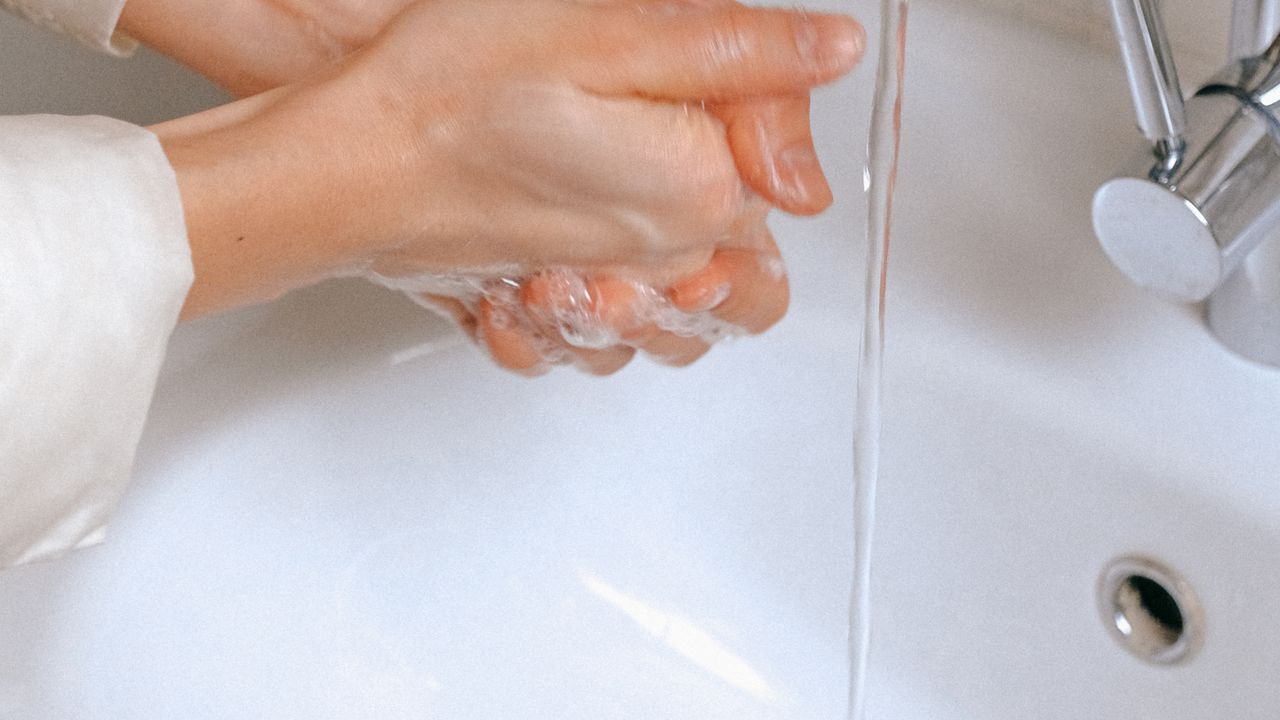
The people who inspect you also teach the course
In the Northwest Territories, the person who taught your food safety course may be the same person who inspects your kitchen. Environmental health officers with the Department of Health and Social Services teach the NWT food safety course to food handlers, and the same officers inspect food establishments against the Food Establishment Safety Regulations, usually shortened to FESR.
That gives an NWT inspection a particular feel: the officer knows what your certified staff were taught. The department also posts inspection reports online, so what the officer writes down becomes public, although recent reports are currently delayed while it builds a new way to share them.
The NWT inspection readiness check is a few minutes of questions based on the FESR and on what officers look at in the kitchen. You get a score out of 100 straight away, along with the gaps that cost you the most.
Start with the permit
Everything else rests on the permit. Section 7 says no one may operate a food establishment without a valid food establishment permit. Permits come in three lengths under section 8: temporary for under three weeks, seasonal for three weeks up to four months, and annual for four months up to a year.
Two details catch people out. A permit can't be transferred, so a new owner needs their own before opening. And section 10 requires the permit, or a clear copy, to be posted somewhere conspicuous in the establishment. The check asks whether yours is current and posted, because an expired or unposted permit is a simple thing to get wrong and a simple thing to fix.
How ready is your kitchen? Score it against Northwest Territories's rules in about three minutes. Take the free check →
The training rule depends on your permit
Here is where the permit type starts to matter. Section 37 sets the food safety training rule, and it applies to what the regulations call a permanent food establishment, meaning one that operates, or is required to operate, under an annual permit.
For those establishments:
- the operator must have completed a food safety program that the Chief Public Health Officer accepts, and must show proof when asked
- at least one operator or worker who has completed an acceptable program must be present in the establishment during its hours of operation
That second point is about hours of operation, not just service. A lodge kitchen that starts breakfast prep at 5 a.m. needs someone trained there at 5 a.m. Small kitchens with one trained owner run into trouble the first time that owner flies out for a week.
Section 38 then reaches everyone else. The operator has to give every food establishment worker enough instruction or training in safe food handling to take part in keeping food safe, and must be able to show it when asked. It doesn't call for a certificate for each worker, but "we showed them on their first day" is hard to prove. The check asks about this separately, and the fix plan suggests a short signed list for each role.
Our Northwest Territories food premises guide has more on permits and what officers check.
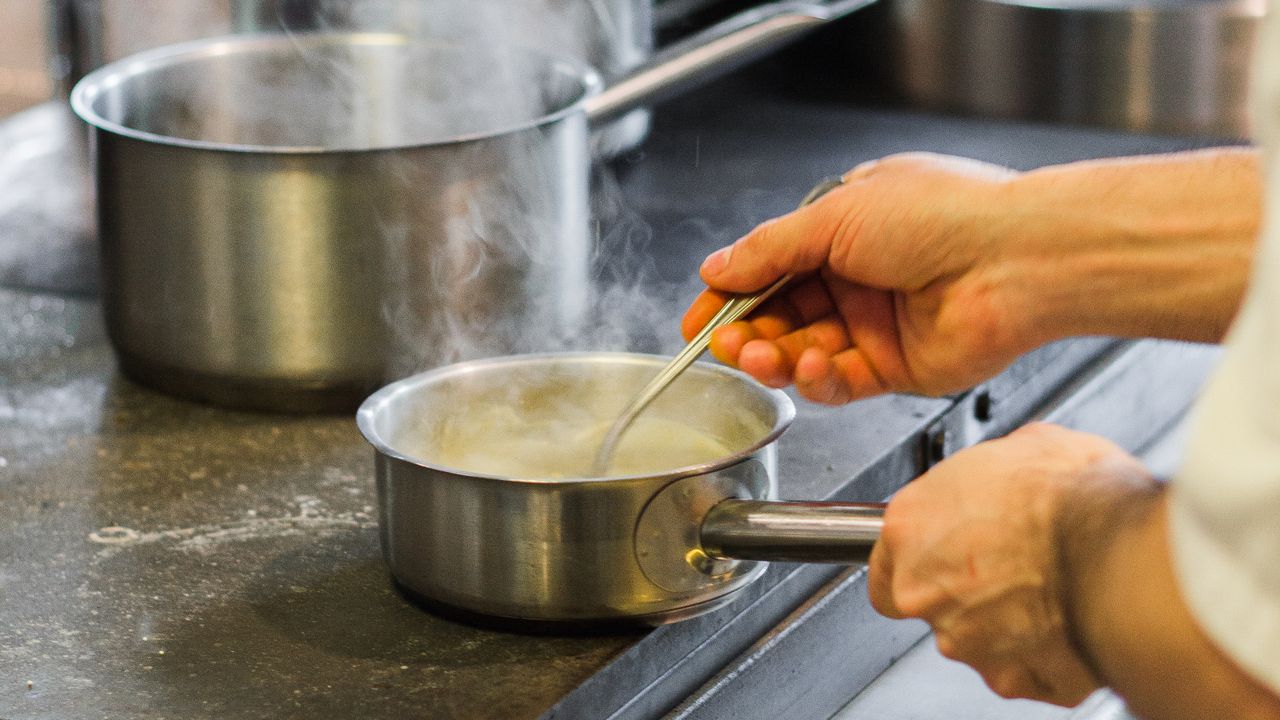
What else officers look at
The remaining questions are the kitchen basics:
- fridge, freezer and hot-holding temperatures, checked and recorded
- bulk cooling of cooked food
- handwashing sinks stocked and kept clear
- staff reporting illness and staying off food
- sanitizer and dishwasher testing
- a signed cleaning schedule
- storage order, covering and date labels
- allergen information staff can find
- pest checks and pest control records
The NWT temperatures are spelled out in section 33: potentially hazardous food has to be stored, displayed and transported at 4°C or colder or 60°C or hotter, and frozen potentially hazardous food at -18°C or colder. On illness, section 39 requires a worker who has, or has been exposed to, one of the listed diseases to tell the operator. The operator then keeps them from any work that brings them into contact with food, equipment or customers until they bring written confirmation from a medical practitioner or authorization from the Chief Public Health Officer.
Your results
At the end you'll see a score from 0 to 100 and your top gaps. The heaviest items, such as temperatures, handwashing and sanitizing, count for more than a permit left in the back office. None of this is an inspection; only an environmental health officer's report is official.
If you'd like the whole picture, enter your email. The report covers every gap, sets out a fix plan for each, and links to printable checklists, which you can also open in a free TenorOps account.
Operators with sites outside the territory can find every other check through the national overview. For your NWT kitchen, run the check with your permit and training certificates in front of you.